
WITH IMAGES OF EVERY STITCH
Part 1 – Sequence A
The intro to this first series provides an explanation of materials, tools and the book.
In this first stitch series we work with line stitches, which we can write and draw well with.


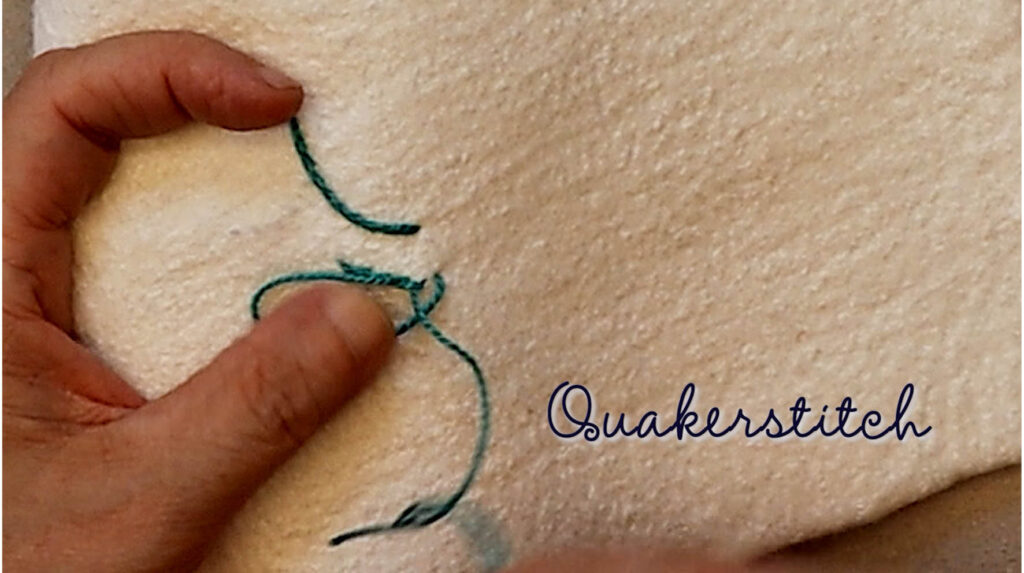

Part 1 – Sequence B
For me, the chain stitch is a primal stitch and has endless variations.


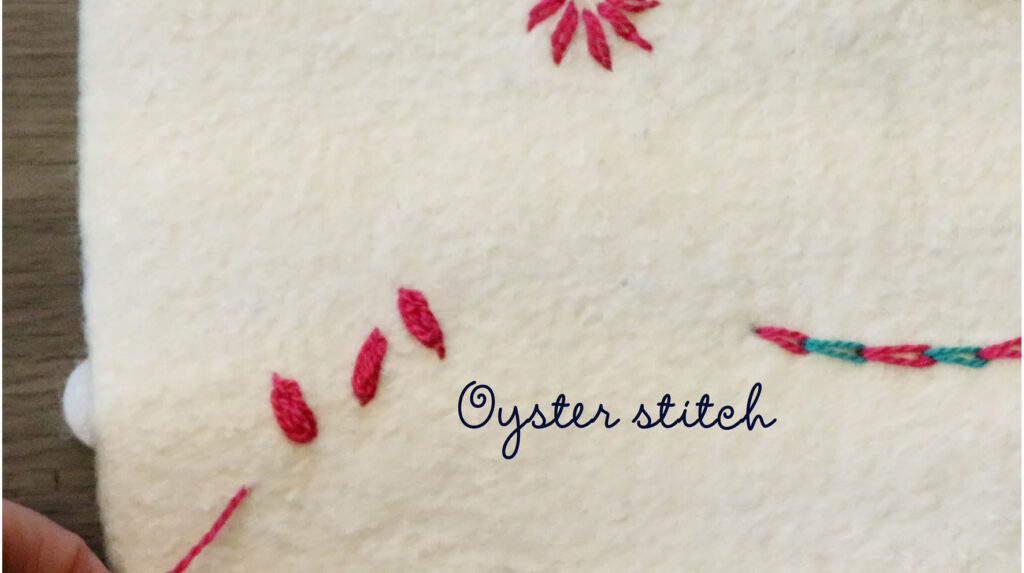
Part 1 – Sequence C
We mainly work with many forms of the buttonhole stitch.
Just like the stemstitch and the chainstitches, the buttonholestitch belongs to my primal series.
And a new knotstitch is added.


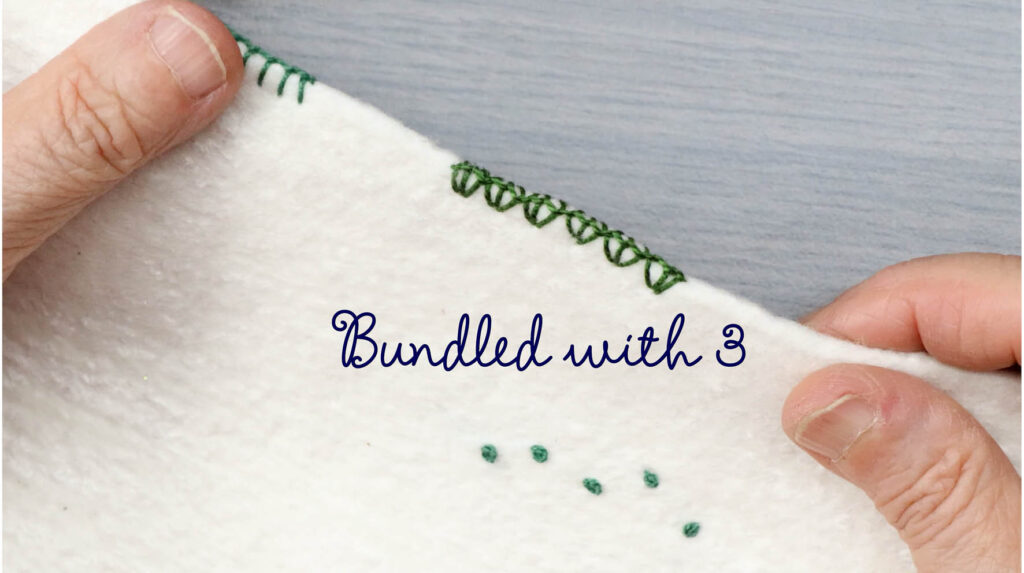


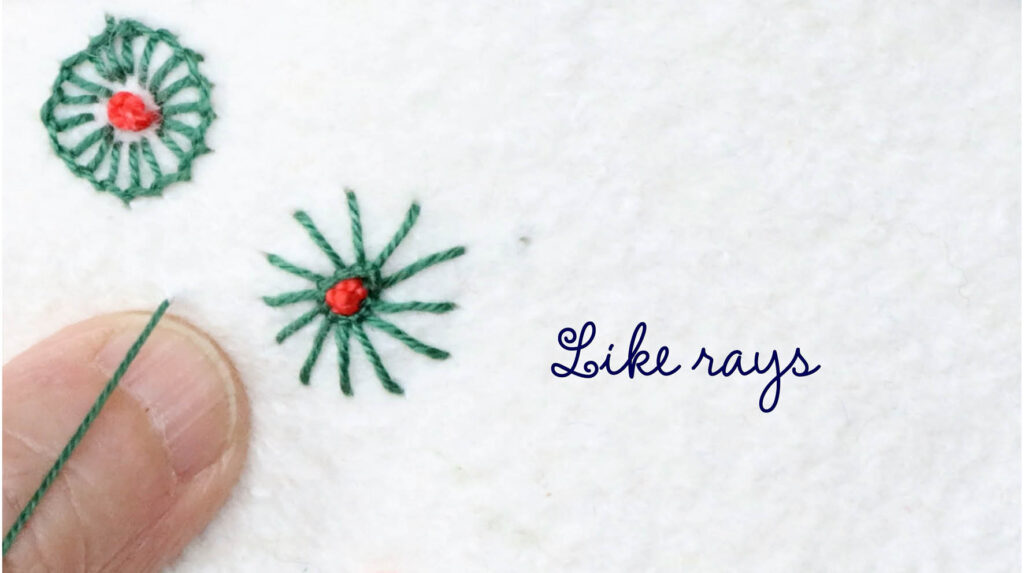


Part 1 – Sequence D
Every one in these sequence is an exciting stitch.
My advice for the prehistoric sting is:
1 Week – 5 minutes of practice per day.
3 Months – 5 minutes of practice per week.
Then you internalized him.
In this sequence, the Prehistoric Stitch is also shown for left-handers. We would like to hear your wishes regarding this.
Based on that, we can determine how to proceed with this.


Part1 – Sequence E
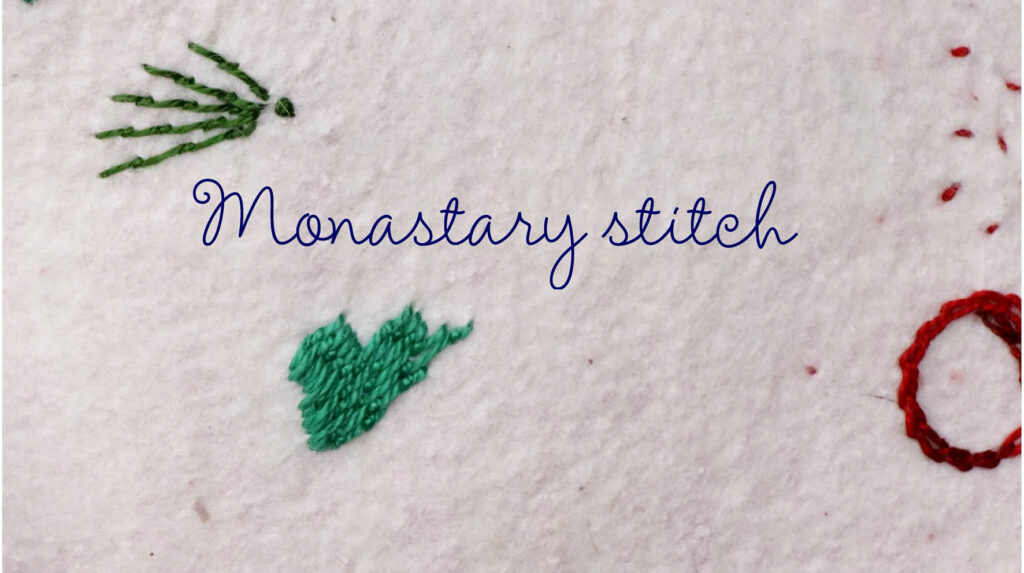
In this sequence, we’ll get started with fill stitches. We see how the perhaps at first glance, old fashion long and short stitch is elevated to art. Also art with the monastary stitch and the simplification of the Tsjirasj as shown to me by Kyrgyz artist Kalipa Asapakova.
In this sequence, the simplification of the Tsjirasj is there also for left-handers.




Part 1 – Sequence F
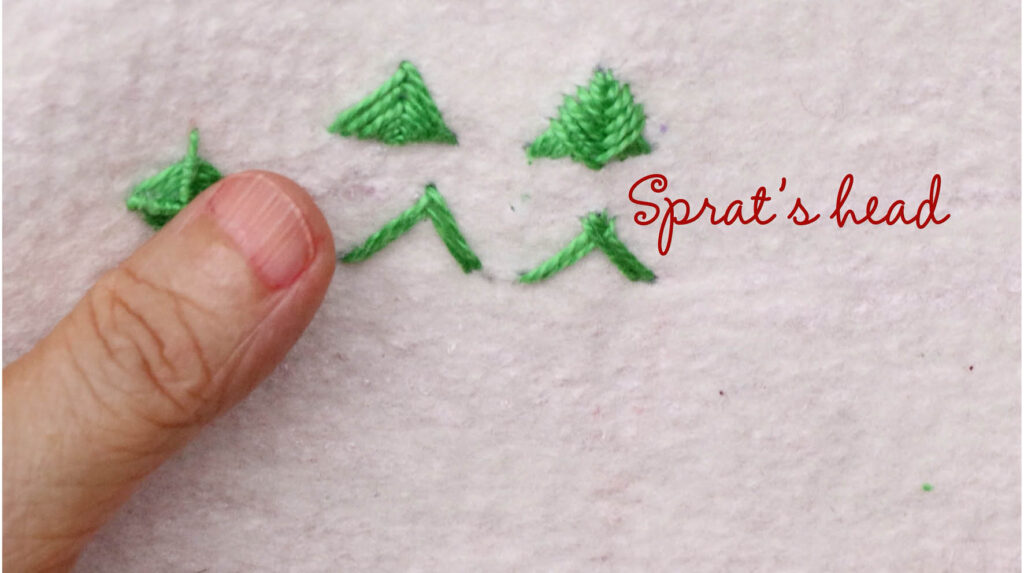
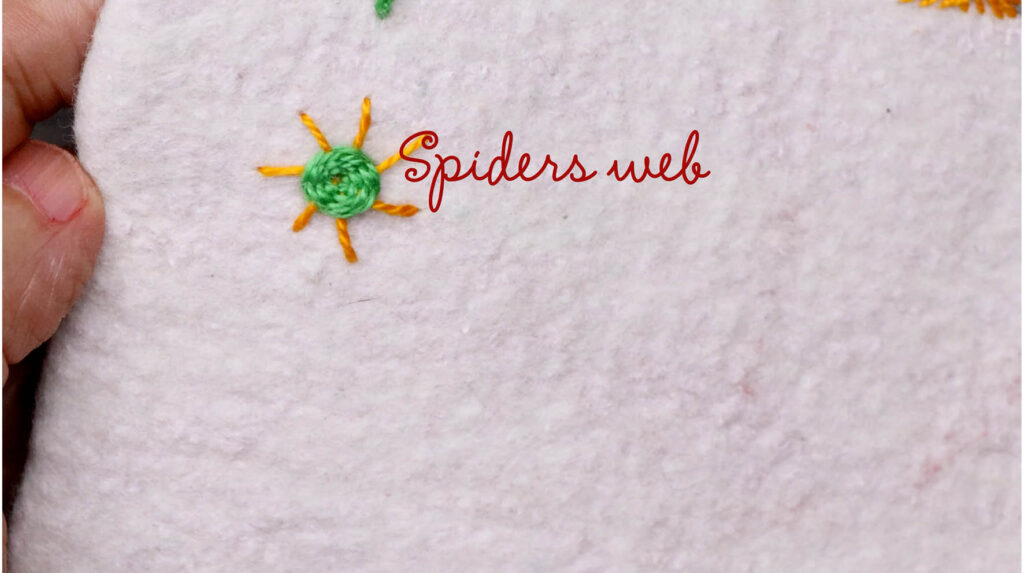
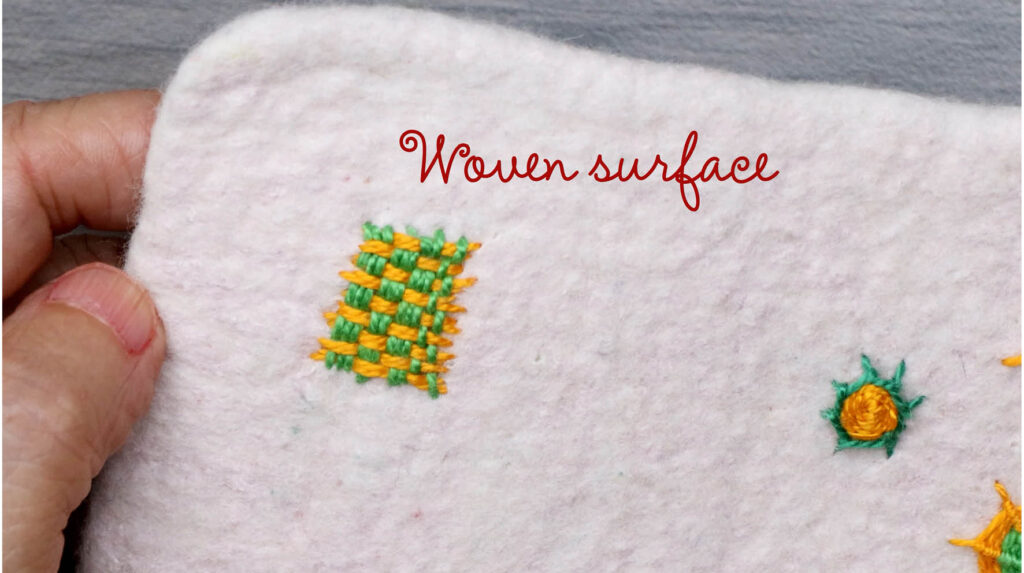
In this sequence we will work with all kinds of different weaving stitches. They can be used in rows as decoration, but also to fill areas and can also be used as a single stitch.





Part1 – Sequence G
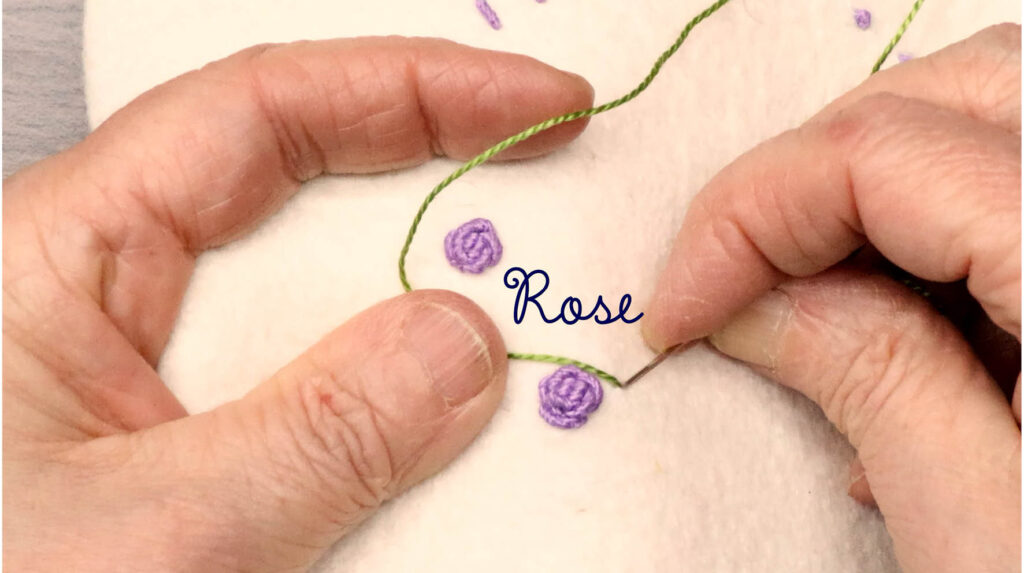
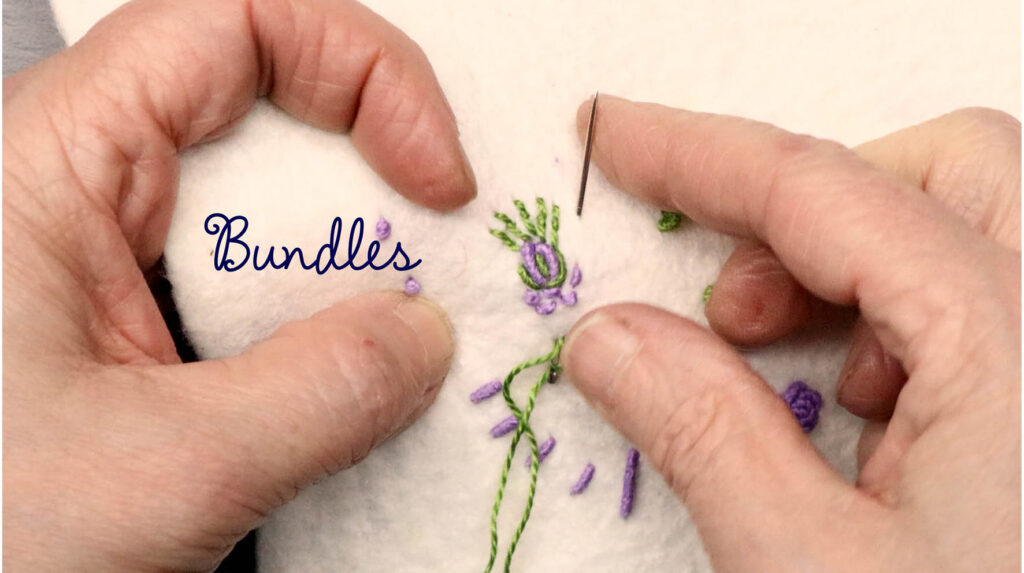
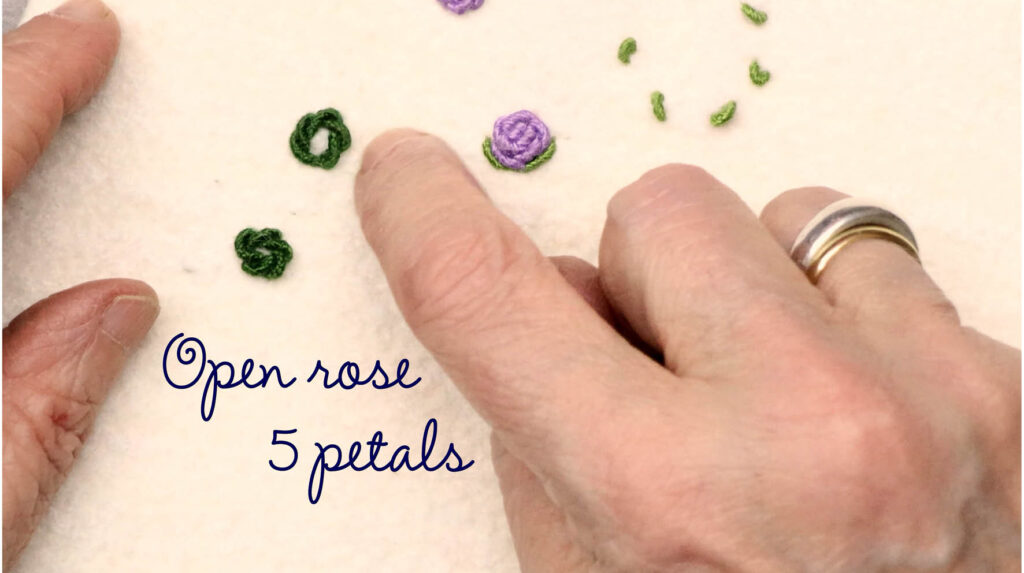
Roses in bouillon knot.
My love for roses started on a trip to Siebenburgen with István Vidák, in 2005. When we visited an old woman, she showed us suitcases full of textiles embroidered with roses in all variations.
I have embroidered many afterwards and each of my works has at least 1 rose.



Part 1 – Sequence H
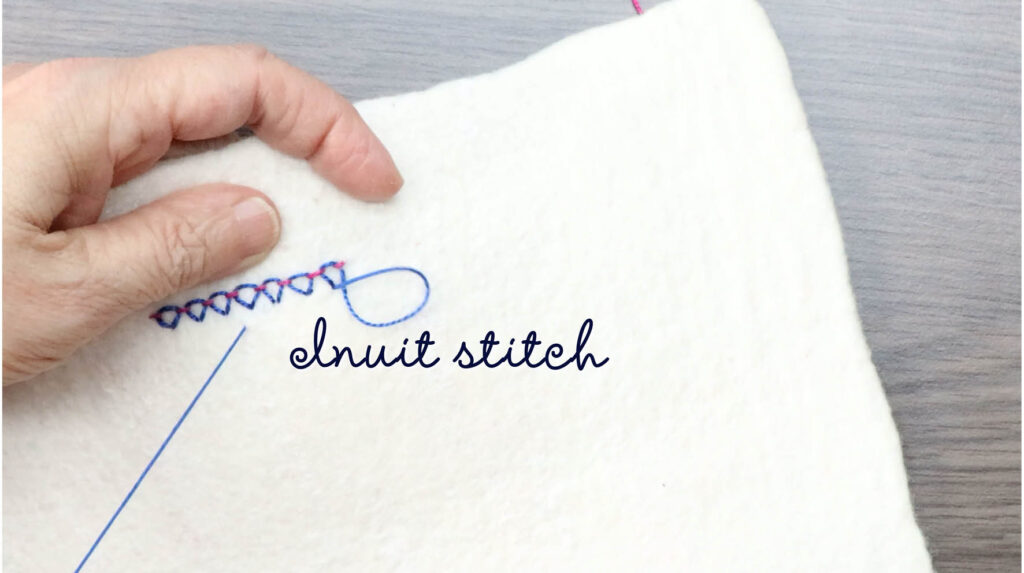
In this sequence, several stitch combinations are discussed and a chain stitch, a relief stitch, a connecting stitch and a weaving stitch.
In the whole of the ‘Favorite embroidery stitches book, 2 more parts follow. Part 2 with 4 stitch lessons and 3 theme lessons and Part 3 with 3 stitch lessons and four theme lessons.
I wish you a lot of embroidery pleasure again and hope to see you soon.



4 replies on “The stitches from my favorite Embroidery stitches book – Part 1”
Annemie, Is this a book you’ve written ?
If so this would help me understand the
different stitches I’m having a hard time with. Is this a book that can be purchased. I see tutorials are available and 3 parts to stitches. I am very
Intersected. Is this only offered in German? What is the cost?
Dear Ruth,
This is not the book I hope to write, but it is the big embroiderycourse in 3 parts, where you followed part 3 of.
But still this is good for you, because what I did is place photographs of each stitch with the name to it.
So this makes it easyer to see which stich your are looking for. And where you can find it.
All is in 3 languages.
Here you can find the images:
part 1: https://annemiekoenen.com/en/news/de-steken-uit-mijn-favoriete-borduurstekenboek/
part 2: https://annemiekoenen.com/en/news/de-steken-van-mijn-favoriete-borduurstekenboek-deel-2/
part 3: https://annemiekoenen.com/en/news/de-steken-van-mijn-favoriete-borduurstekenboek-deel-3/
Let me know, xxx, annemie
Thank you, Annemie! You came to the UK and we learnt many stitches. I am going to embroider my bracelet for the felt swop. I particularly liked the full Tsiradj stitch, but I cannot remember how to do the roses! I will have to look it up!
Hi Cherry,
Thanks for your comment, that sound really good!
I am looking forward to see your bracelet for the swap!
Have a nice summer and hope to see you again,
all the best, Annemie